Snow and ice create major challenges for drivers. Roads become slippery, visibility drops, and even starting your car in the morning can feel like a battle. Cold weather also takes a toll on your vehicle’s components, from the battery to the doors. The good news? With a few easy steps, you can protect your car and stay safer during winter conditions.
Here are simple, practical tips to get your car winter-ready—using basic tools and products you likely already have at home.
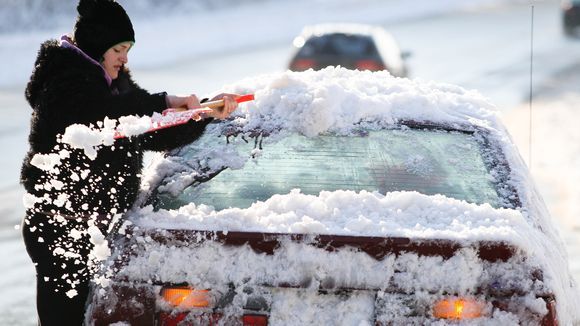
Apply Ice Prevention Spray to Your Windows
Scraping ice off your car windows every morning can be a time-consuming chore, especially when you’re rushing to get out the door. Applying an ice prevention spray the night before can reduce or prevent ice buildup on your windshield and windows.
You can buy commercial sprays at most supermarkets or auto shops. If you prefer a DIY option, mix two parts isopropyl alcohol with one part water in a spray bottle. Spray it on your windows at night to help keep them clear by morning.
Prevent Frozen Doors with a Light Coat of Oil
Frozen car doors are a common winter problem. Moisture gets into the rubber seals and freezes overnight, making it hard to open your car in the morning. To stop this from happening, apply a light coat of cooking oil or silicone spray to the rubber seals around your car doors.
Use a clean cloth or paper towel to gently rub the oil into the rubber. WD-40 can also help prevent your keyhole from freezing, but cooking oil is a handy household alternative for door seals.
Clean Cloudy Headlights with Toothpaste
Dirty or foggy headlights reduce your visibility on dark, snowy roads. You don’t need fancy products to fix this—just grab some toothpaste. Apply a small amount of non-gel toothpaste to a soft cloth and rub it onto the headlight in a circular motion. Rinse with warm water and wipe dry.
This simple trick helps remove grime and oxidation, leaving your headlights clearer and brighter for safer nighttime driving.
Use Plastic Bags to Keep Side Mirrors Ice-Free
Side mirrors often freeze overnight, making it harder to check blind spots in the morning. A quick fix is to cover your mirrors with plastic bags before you go to bed. Secure the bags with rubber bands or clothespins so they stay in place.
In the morning, just remove the bags, and your mirrors will be free of ice—no scraping required.
Store Socks in Your Glove Box for Extra Grip
This might sound strange, but keeping a spare pair of socks in your glove compartment can help in icy emergencies. If you ever need to push your car or walk across icy pavement, slide the socks over your shoes for extra traction.
The fabric adds grip that helps prevent slipping, making it easier to walk or regain control in slick conditions. It’s a cheap, clever hack that could come in handy when you least expect it.
Other Quick Tips to Protect Your Car in Winter
- Check your tyre pressure regularly. Cold temperatures reduce air pressure, which can affect grip and fuel efficiency.
- Keep your fuel tank at least half full. This prevents fuel lines from freezing and gives you extra range in an emergency.
- Carry a snow brush and ice scraper. These tools are essential for clearing windows and lights before driving.
- Use winter-grade washer fluid. It resists freezing and helps keep your windshield clear.
Wrap-Up
Preparing your car for snow and icy conditions doesn’t have to be complicated or expensive. With a few smart habits and household products, you can reduce winter wear and tear, avoid delays, and drive more safely. Take a few minutes before bedtime to prep your car, and you’ll save yourself a lot of time and stress in the morning.